.png)
Travel
Day 8: Ellora & Ghrishneshwar — Caves, a Jyotirlinga & Mr. Ashok
A day trip to Ghrishneshwar and Ellora Caves
Sleep was hard to come by. The hotel room had a corner window with only a single glass pane between it and the road outside, and the road had a lot to say through the night. Woke up tired, had breakfast, and headed out. Two stops for the day: Ghrishneshwar Jyotirlinga and the Ellora Caves, both about 30 km from the city and barely a kilometre apart from each other.
Ghrishneshwar — The Third Jyotirlinga
The temple sits quietly in Verul village, just outside Ellora caves. Before entering the complex, offerings needed to be bought from the small shops lining the approach. The ladies running them knew their trade well. By the time the transaction was done, ₹750 had changed hands and the smilie was mostly on their side. The third Jyotirlinga of the trip, and the shops knew exactly what a pilgrim would not refuse to buy.
There is something worth knowing before visiting Ghrishneshwar that no signboard announces in advance: men must enter the sanctum without a shirt. No upper garment, and no leather items, belts included, are permitted inside. This comes as a surprise if nobody has told you beforehand.
Left the phone and camera with a shopkeeper nearby who offered to watch them and also sent her son with me as a guide for darshan. Once isnide the premise, removed the shirt, removed the belt, handed everything over to the guy, and went in. Being a local, it helped with the priest giving a preferential treatment and exclusive space for pooja and darshan. The shopkeeper waited all thew while and helped with the clothes on the way back out and did all of it with the ease of someone who performs this small service dozens of times a day - for a small fee indeed.

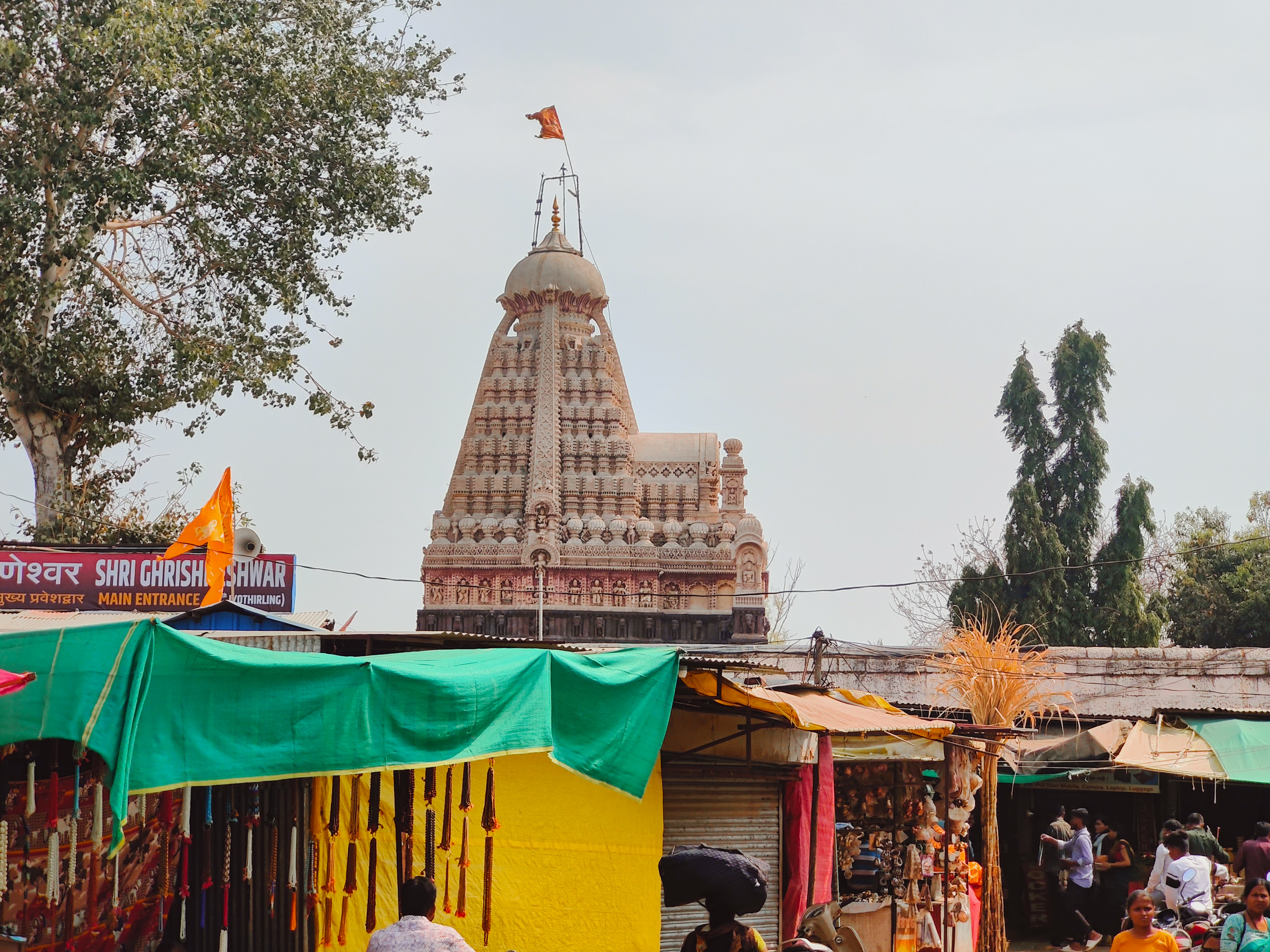
Three Jyotirlingas completed over the course of this trip: Mahakaleshwar, Omkareshwar, and now Ghrishneshwar. None of them on the original itinerary when I left Delhi eight days ago.
The Road to Ellora Caves
Ellora Caves are barely a kilometre from the temple. Parked in the designated lot about 100 metres from the entry gate and walked toward the ticket window.
A roadside hawker was doing his first sale of the day, his boni. Stopped and bought a couple of fridge magnets and a book. He left with a smile that had nothing forced about it. A good way to start the morning for both parties.
At the gate, a young man approached offering to be a guide, making his case by pricing himself below the government-approved rates. It was a reasonable pitch. Bought the entry ticket at ₹60 and then asked for a government guide at the counter instead.
Mr. Ashok arrived.
Seventy-one years old, though the word old does not sit naturally against him. Fluent in English, German, and Spanish. A flair for life that showed in how he moved through the caves. Not reciting information but inhabiting it, stopping at specific carvings to say something precise, then moving on. He went for lunch at some point in the middle of the three hours, as guides do, and the caves waited in his absence with the same patience they have maintained for over a thousand years.
The Caves
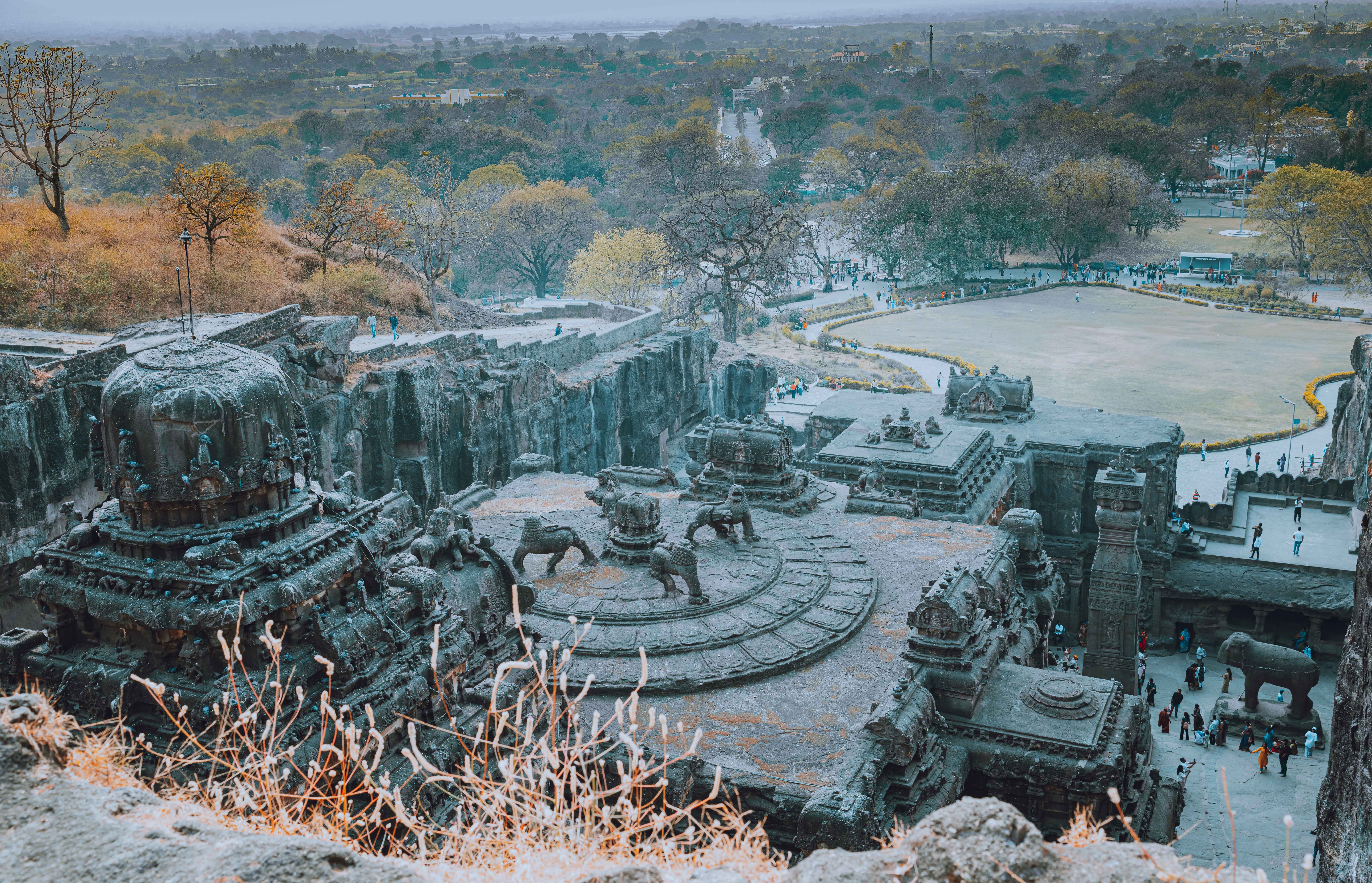
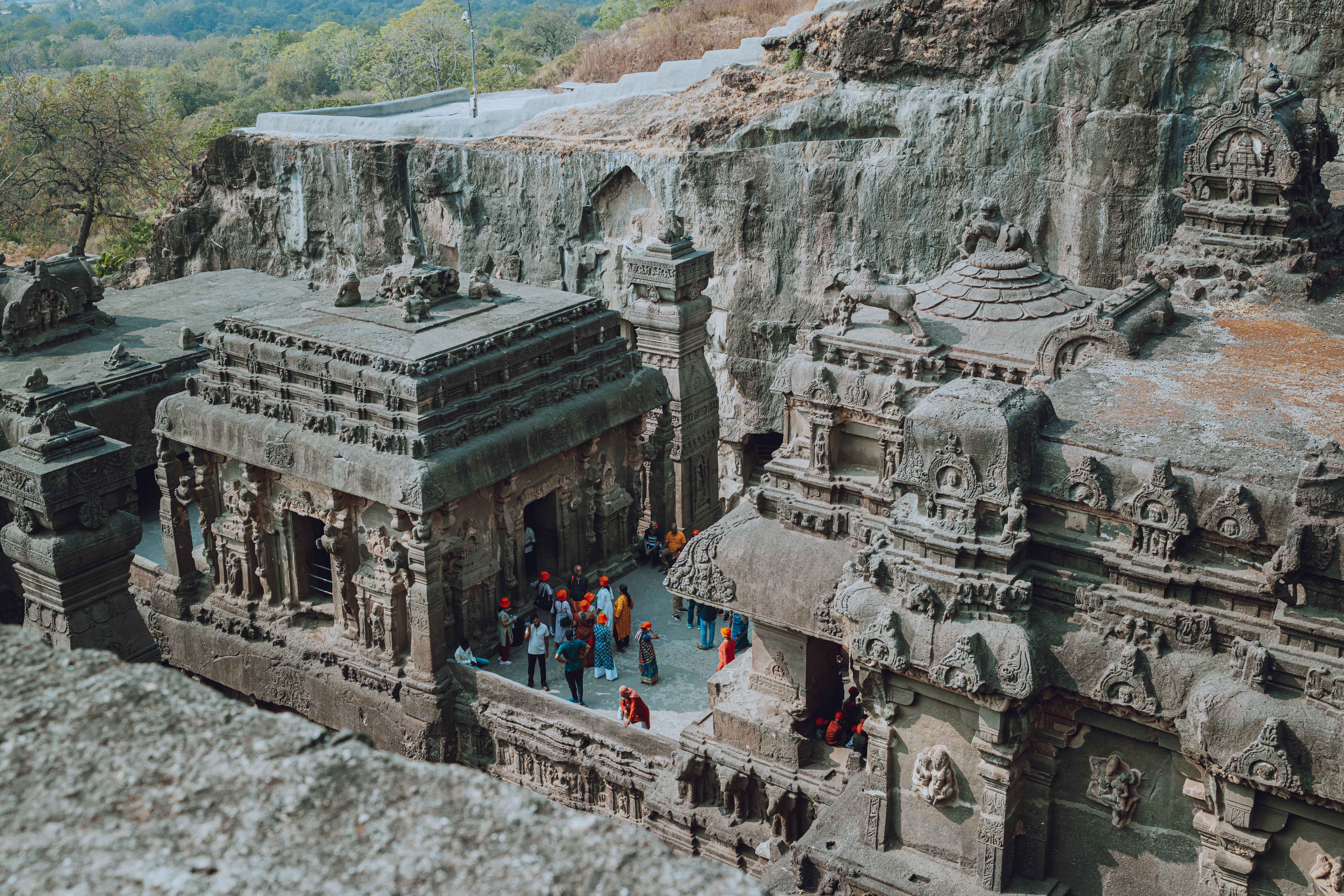
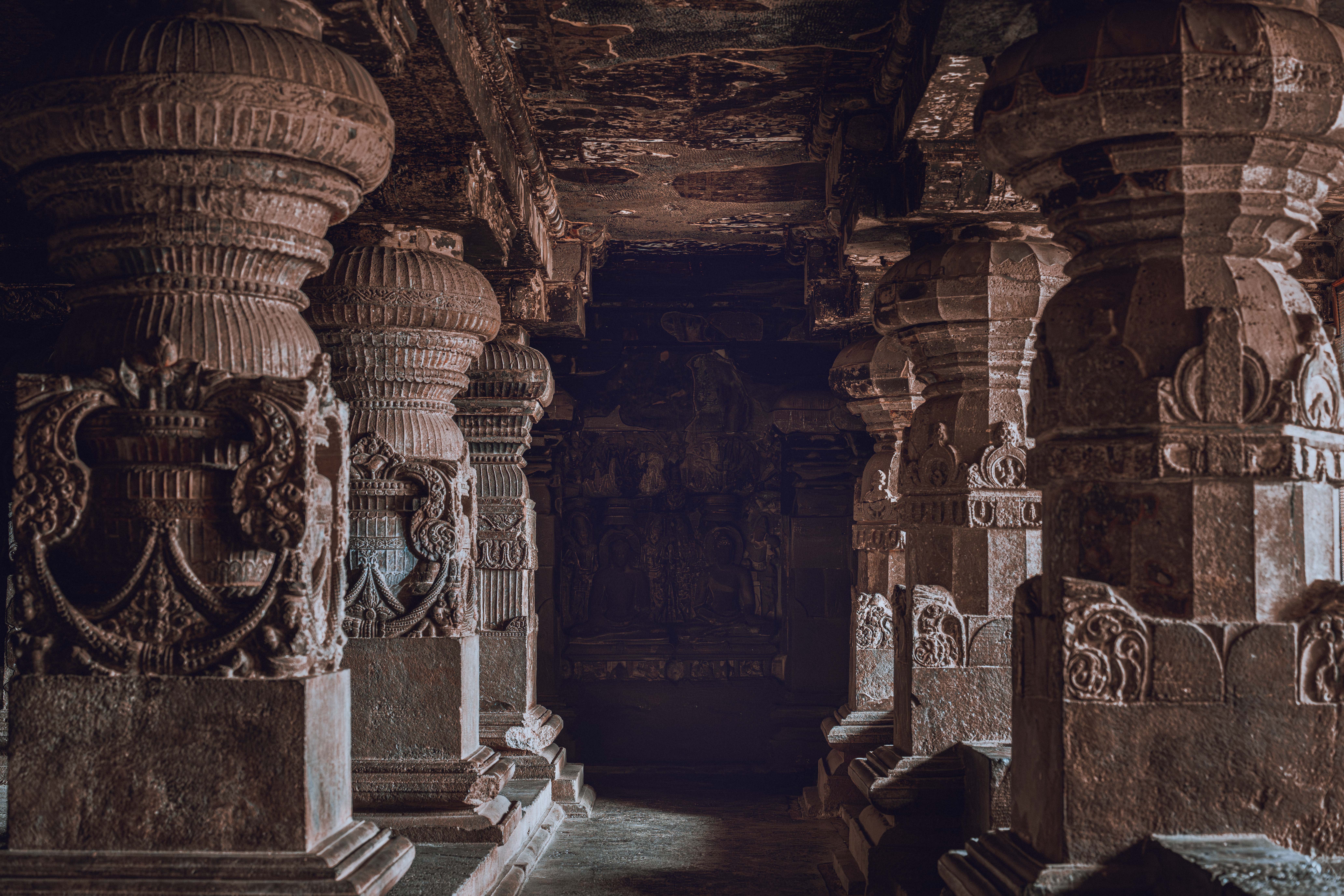
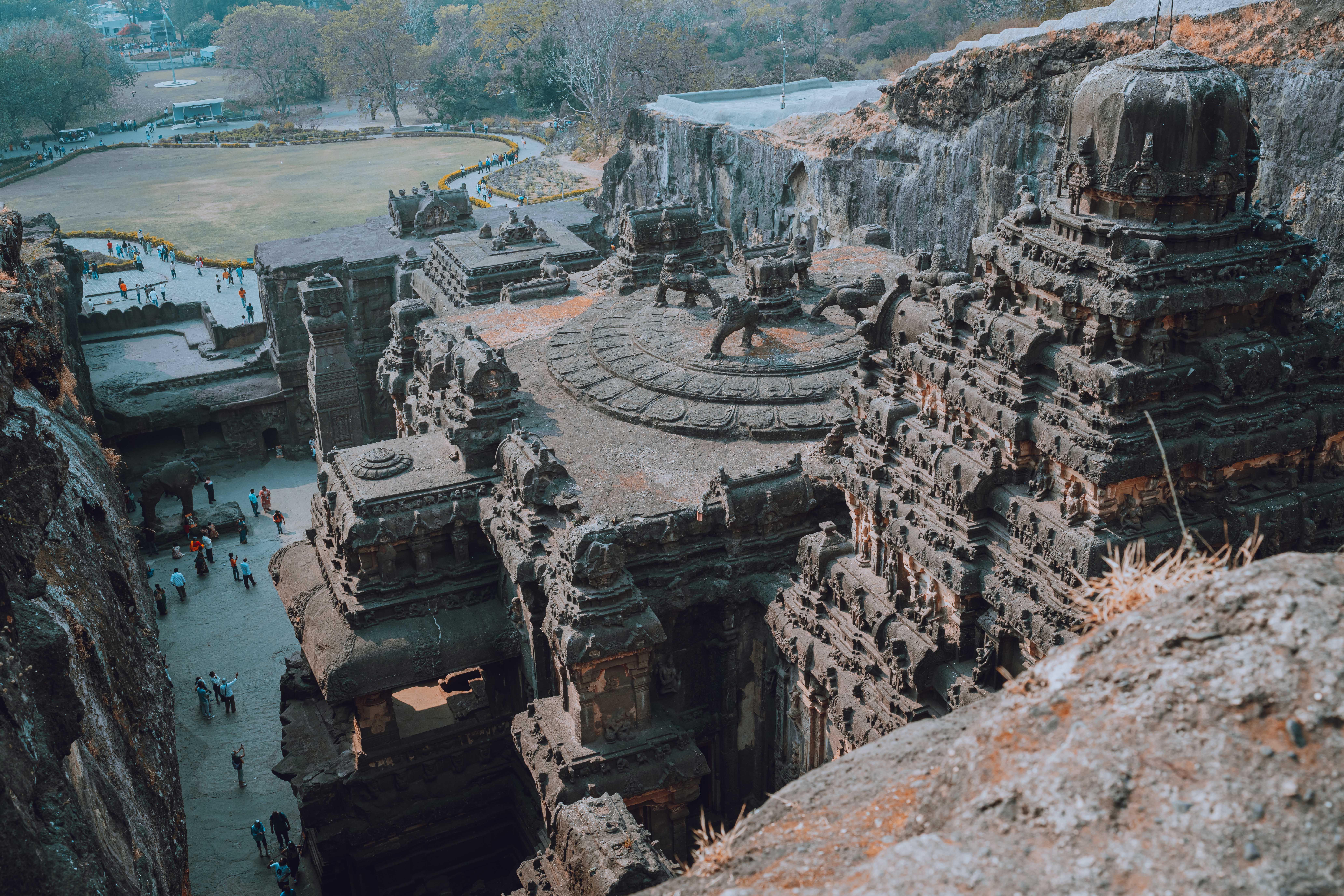
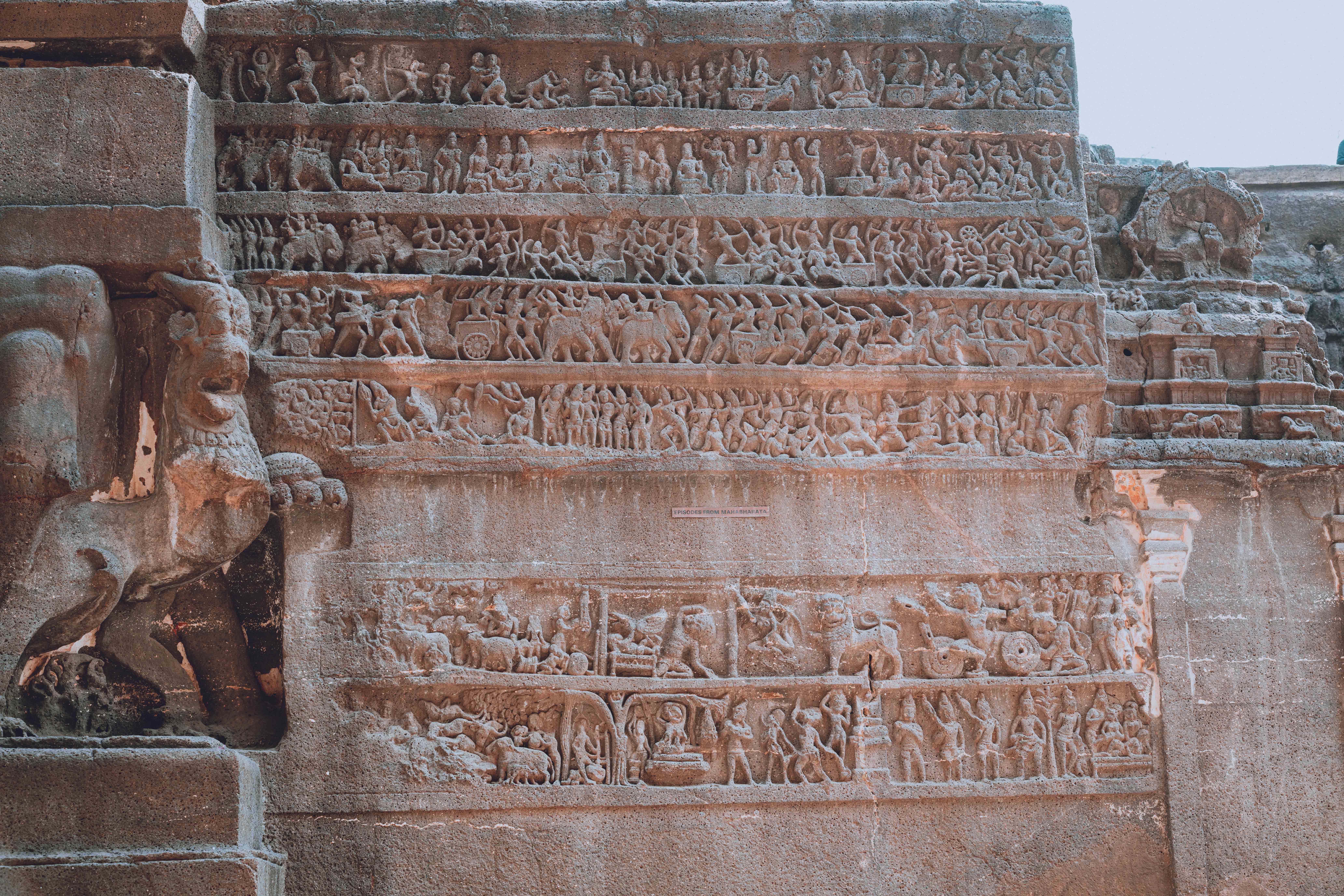
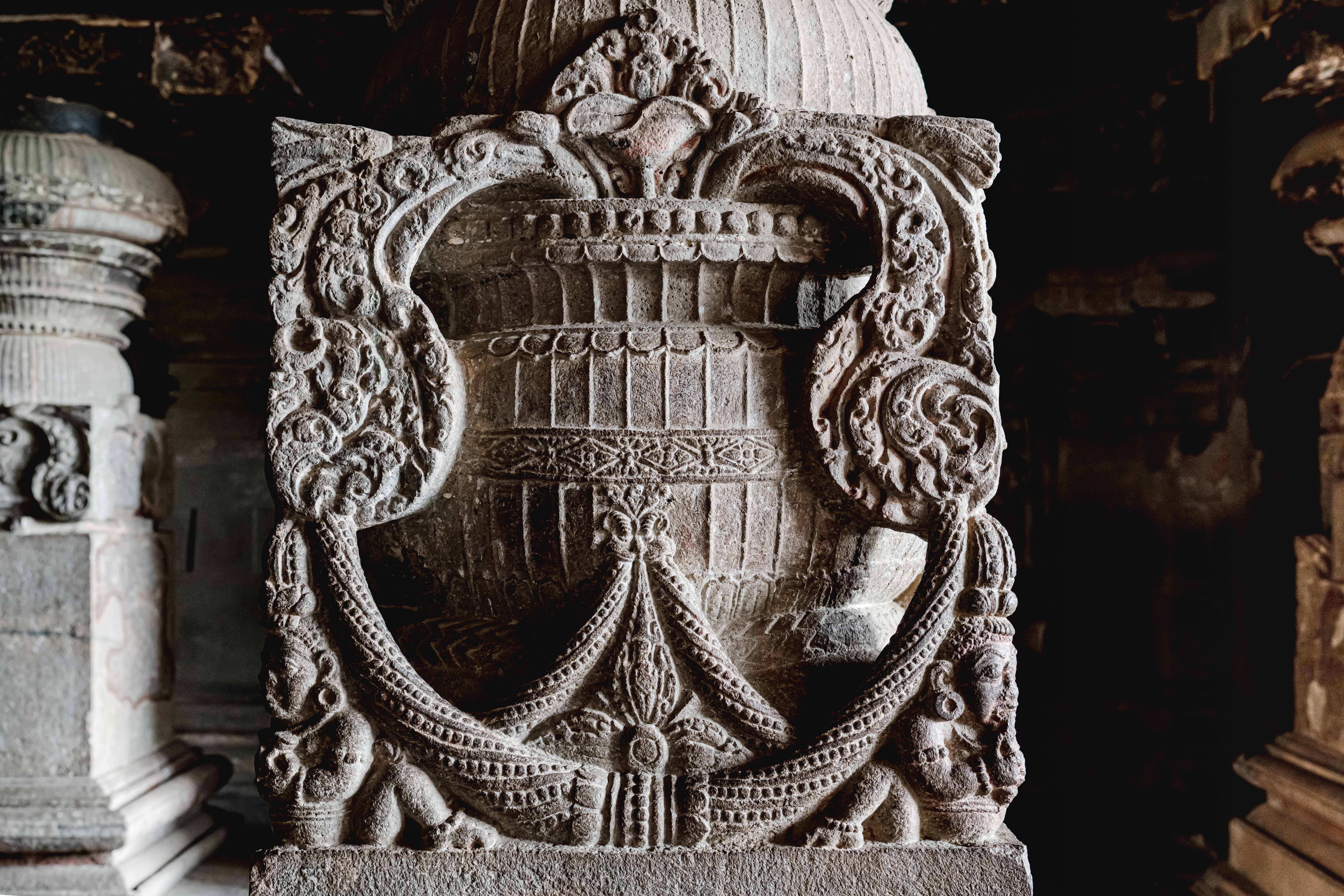
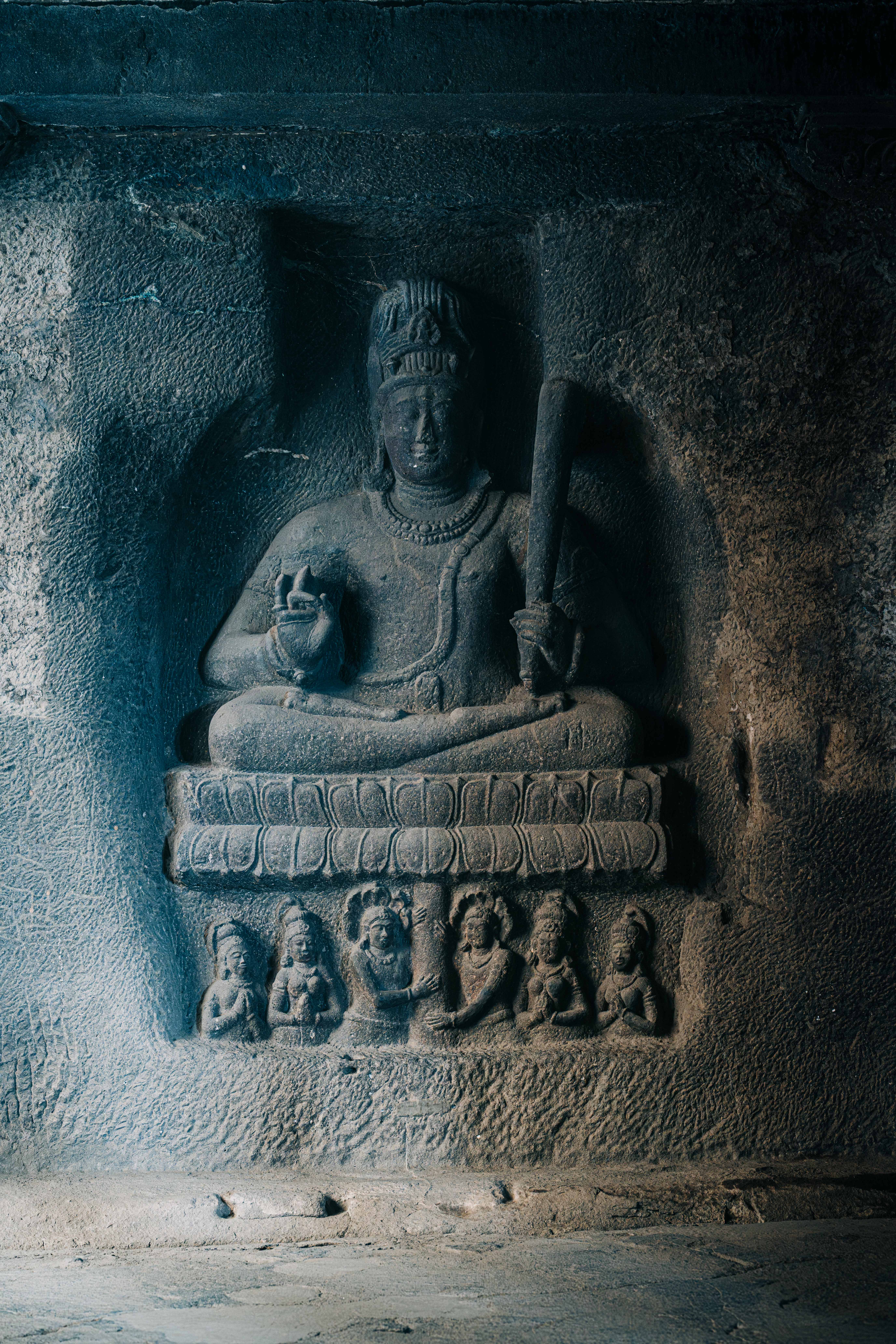
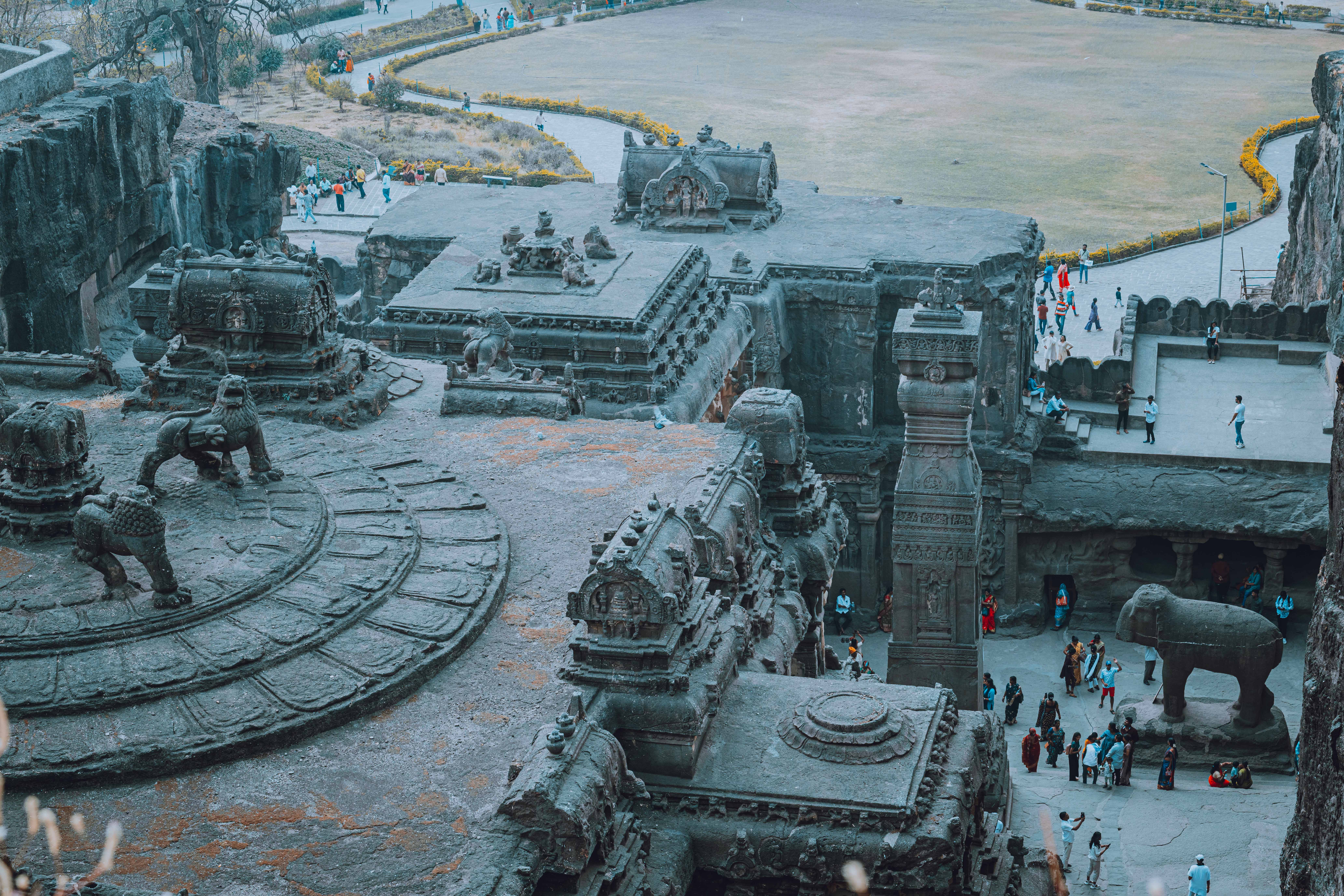
Ellora is a UNESCO World Heritage Site and one of the largest rock-cut cave complexes in the world. Thirty-four caves carved into a 2 km stretch of basalt cliff, spanning Buddhist, Hindu, and Jain traditions across several centuries. What makes Ellora different from almost anywhere else is that the structures are not built but excavated, carved downward and inward from the top of the rock face, the entire structure emerging from a single piece of stone.
The Kailasa Temple, Cave 16, is the most visited and the most difficult to fully absorb. An entire temple complex, courtyard, mandapa, sanctum, towers, cut from one continuous piece of rock, working downward from the surface. The scale of the undertaking, done entirely by hand, with no machinery, no architectural drawings in the modern sense, and no ability to correct a mistake once the chisel had struck, sits with you in a way that photographs do not prepare you for.
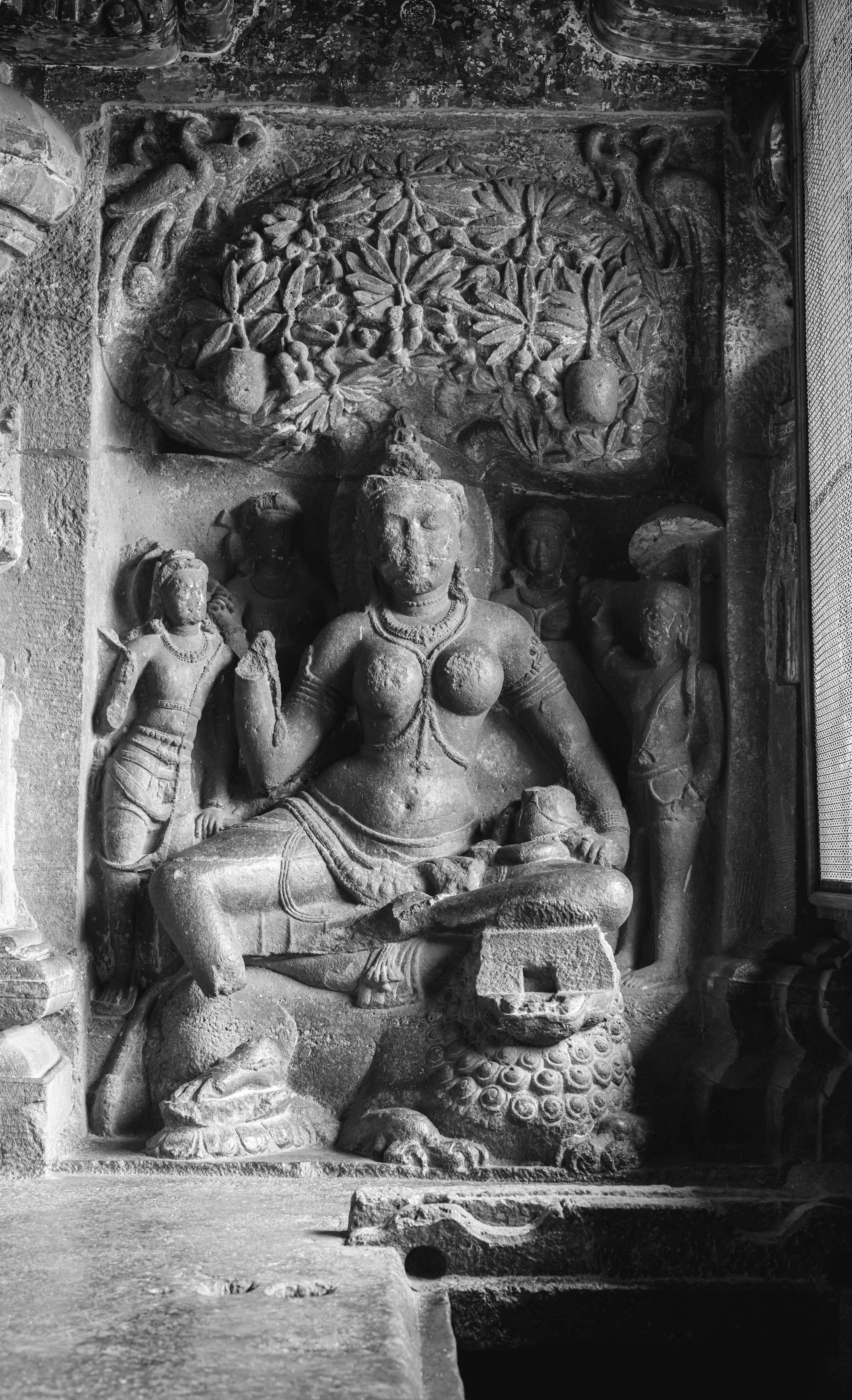
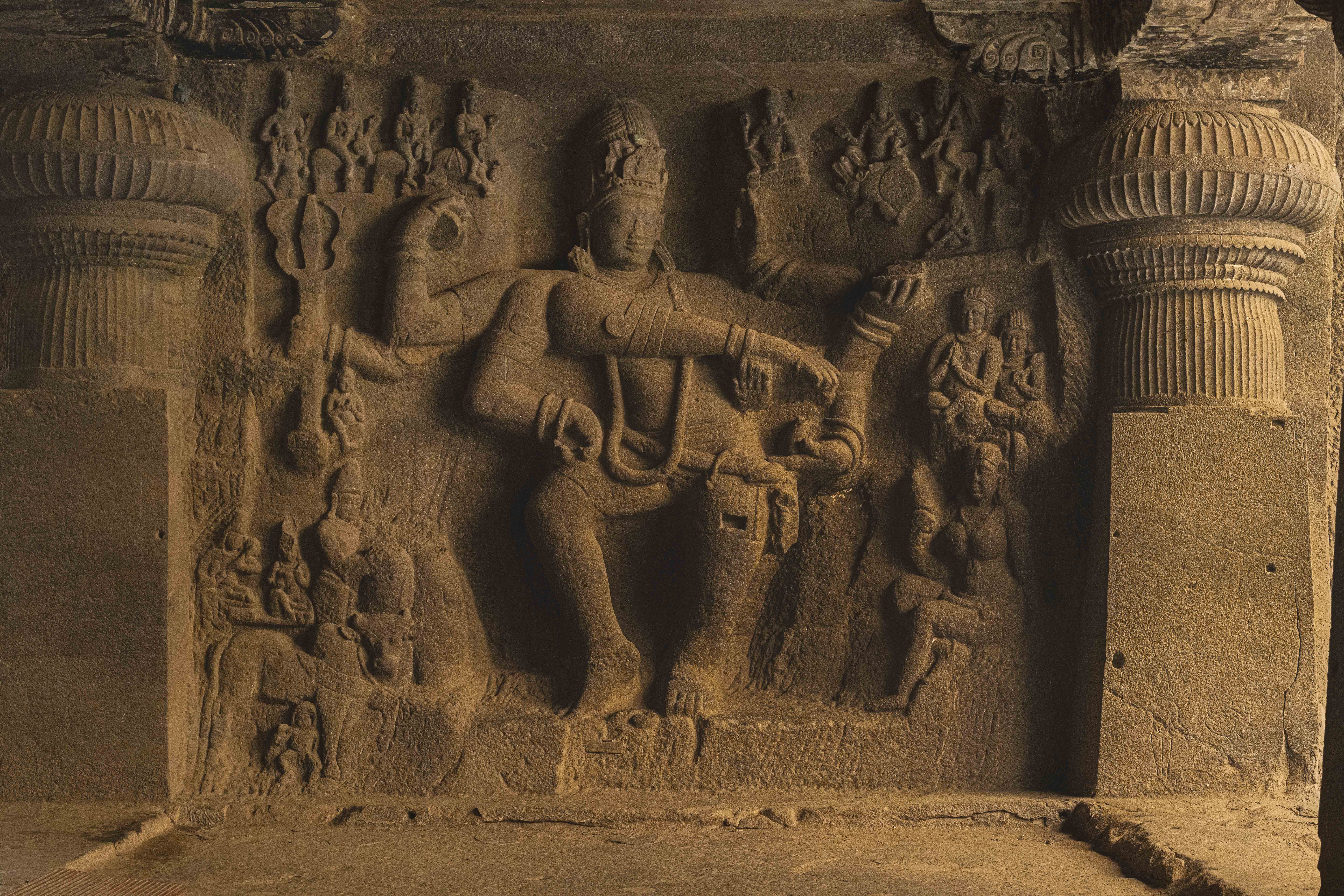
The Buddhist caves in the northern section are older and quieter. The Jain caves to the south are among the most finely detailed. Mr. Ashok moved between them without hurrying, connecting the traditions, pointing at specific figures, Buddha, Shiva, Vishnu, Mahavir, and placing them in the context of the centuries during which they were made.
Nowhere in the complex is there a name. Not the architect, not the master sculptor, not the workers who spent years on a single wall. The only record left is the work itself. Standing in front of it, that absence of credit becomes its own kind of statement.


The Goodbye
Paid Mr. Ashok's fee at the end. He shook hands the way people do when a few hours of genuine conversation have passed and both sides know it. Some lessons of history, some personal observations, some things said about life that had nothing to do with caves. The handshake held for a moment longer than a transaction requires.
Thank you, Mr. Ashok.
Back at the Hotel
Stopped briefly at an eatery on the way back into the city. Returned to the hotel to find that the room noise problem from the previous night had been sorted. A room change had been arranged. The new room was quieter. Data from the day transferred, notes written up, and finally to bed.