.png)
Travel
What Stays With You - A Road Trip to Remember!
Series introduction covering my Delhi-Kanyakumari-Delhi Road trip over 40 days

7,500 km, 40 Days, One Car — Driving India End to End
Route: Delhi → Bharatpur → Shivpuri → Ujjain → Indore → Aurangabad → Panchgani → Goa → Gokarna → Bengaluru → Mahabalipuram → Pondicherry → Rameswaram → Kanyakumari → Bengaluru → Goa → Panchgani → Vadodara → Udaipur → Delhi.
Duration: 40 days | Distance: ~7,500 km | States crossed: 10
There was a moment, somewhere around the third week on the road, when you stop counting kilometres. The highway becomes home. That's when India really starts talking to you, not in the language of monuments or menus, but in the quiet, unhurried way of a country that has seen everything and is in no rush to explain itself.
This is the story of 40 days spent driving across India. From the bird sanctuary at Bharatpur to the tip of the subcontinent at Kanyakumari, through 10 states, 15 cities, countless roadside stops, four Jyotirlingas, one ghost town, and more than a few police check posts curious about my Delhi number plate.
No bus schedule. No tour group. Just a car, a camera, and a lot of road.
How It Started
Rolled out on the afternoon of 19th February 2024, with a detour for coffee at a Starbucks near Jewar toll, the last familiar comfort before the unfamiliar became the new normal. The first stop was Bharatpur, a short drive from Delhi and an easy warm-up, but it set the tone immediately.
A farm stay. An organic kitchen. A caretaker named Bholu who worked two shifts at 2 places to make ends meet and still smiling through all of it. Within 24 hours, the city had fallen away completely.
That's the thing about road trips through India; the people arrive before the places do.
The Route, Broadly
The trip moved in a rough arc. Starting from Delhi, the first leg cut south and west through Rajasthan and Madhya Pradesh - Bharatpur, Shivpuri, Indore before crossing into Maharashtra via Ujjain and Aurangabad. From there, the road curved down through the Western Ghats - Panchgani, Goa, Gokarna and then inland to Bengaluru before heading to Tamil Nadu's coast.
The deep south was the emotional heart of the trip: Mahabalipuram, Pondicherry (Puducherry), the drive across the Pambam bridge into Rameswaram, and finally Kanyakumari — the southernmost point of mainland India, where three seas meet and the whole country seems to gather for the sunrise.
The return leg came back along the west coast: a second pass through Bengaluru, Goa, Panchgani, then north through Gujarat's Vadodara and Rajasthan's Udaipur before the car finally rolled back into Delhi at 1 am on 29th March.
What the Road Taught
India is built on systems. From the smallest roadside dhaba to a century-old temple's rituals, everything operates within a framework. Pricing systems, queuing systems, cooking systems, worship systems. It's quietly remarkable and easy to miss if you're only looking at the postcard version of the country.
The detour is almost always worth it. Google Maps has a habit of pulling you off the highway and into the real India - through fields of golden wheat, past windmills, along river deltas, and into villages where time moves at a pace that city life has long forgotten. On this trip, those so-called wrong turns were often the best parts of the day.
Solo travel creates unexpected conversations. A 71-year-old guide at Ellora who spoke English, German, and Spanish. A nimbu pani vendor at a dam who had better route knowledge than any app. A policeman in Gokarna who tied a dhoti for a lost traveller, i.e me, at 6 in the morning, a young man preparing for his interview near Kanyakumari who became a local friend within minutes. These aren't people you meet on a group tour.
The food is a whole separate journey. Bajra chapati and palak paneer on a farm in Bharatpur. Butter khichdi on a rooftop in Indore. Bull-pressed sugarcane juice outside Aurangabad. Idli. vada and tea for ₹60 from a food truck on the Bengaluru-Mahabalipuram highway. A craving for paan satisfied by the only shop selling it in Puducherry, sourcing ingredients from across India to serve a Marwari neighbourhood in a French colony. Every meal was a small geography lesson.
The spiritual thread ran through all of it. Not by plan, but by something that kept arranging itself. Keoladeo (Kevaladev — kewal Ek Hi Mahadev) in Bharatpur. Then Shivpuri. Then four Jyotirlingas — Mahakaleshwar in Ujjain, Omkareshwar, Ghrishneshwar at Ellora, and the final one at Rameswaram. The Gokarna Mahabaleshwar temple around Shivratri, with a dhoti purchased at sunrise and a policeman helping with the knot. There was no itinerary for any of this. It simply kept happening.
The Highlights (In No Particular Order)
Bharatpur Bird Sanctuary — 12 hours inside Keoladeo, 28,000 steps, a jackal at dusk, migratory birds from half the world. The best ₹0 spent in wildlife India.
Ellora Caves — Three hours with guide Mr. Ashok, 71 years old and fluent in three languages, walking through Buddhist, Hindu, and Jain caves carved entirely by hand from single pieces of rock. No architect's name survives. The work does.
TableTop at Panchgani — Arriving before sunrise, waiting in the car alone with horses for company, then watching a plateau the size of ten football fields wake up as morning walkers arrived in ones and twos. A monkey troop played at the far end. Frogs jumped in and out of the lake. A whole town visible in the valley below.
The road from Gokarna to Bengaluru — Through the western ghats jungle, past Jog Falls country, the landscape shifts from lush forest to deciduous trees to the dry stone hills of Chitradurga, then back to green. India's geography, condensed into one drive.
The Pambam Bridge — Crossing from mainland India onto Rameswaram island over open sea, with water on both sides and a thin strip of road ahead. One of those moments where you want to slow down but traffic won't let you.
Dhanushkodi at sunset — A ghost town destroyed by a cyclone in 1963, sitting at the very tip of a narrow spit of land between the Bay of Bengal and the Indian Ocean. The sunset here was the best of the entire trip. Crabs came out as the light faded. The market vendors packed up and disappeared as if on cue. Everything went quiet.
The mangrove forest near Kanyakumari — Found by chance, on a hotel boy's suggestion. A river meeting the sea, a hill in the backdrop, tsunami memorials lining the village paths. Approx. one hundred people per village lost in 2004. A forest planted after, now standing twenty years tall.
The Practical Side
Navigation: Google Maps was a reliable co-pilot throughout, though it often preferred scenic routes over fast ones; which, on a trip like this, was a feature not a bug. For specific temple routes and local roads, locals always knew better than the app.
Police stops: The Delhi number plate attracted attention at many state borders and quite a few in between. Mostly friendly curiosity, occasionally paper checks, once an election-duty flying squad that searched the bags — and laughed when told it was 40 days of clothes and cameras.
Accommodation: A mix of farm stays, boutique hotels, homestays in fisherman colonies, and hill station guesthouses. The best ones were the smallest ones. The worst were the noisiest, regardless of their rating.
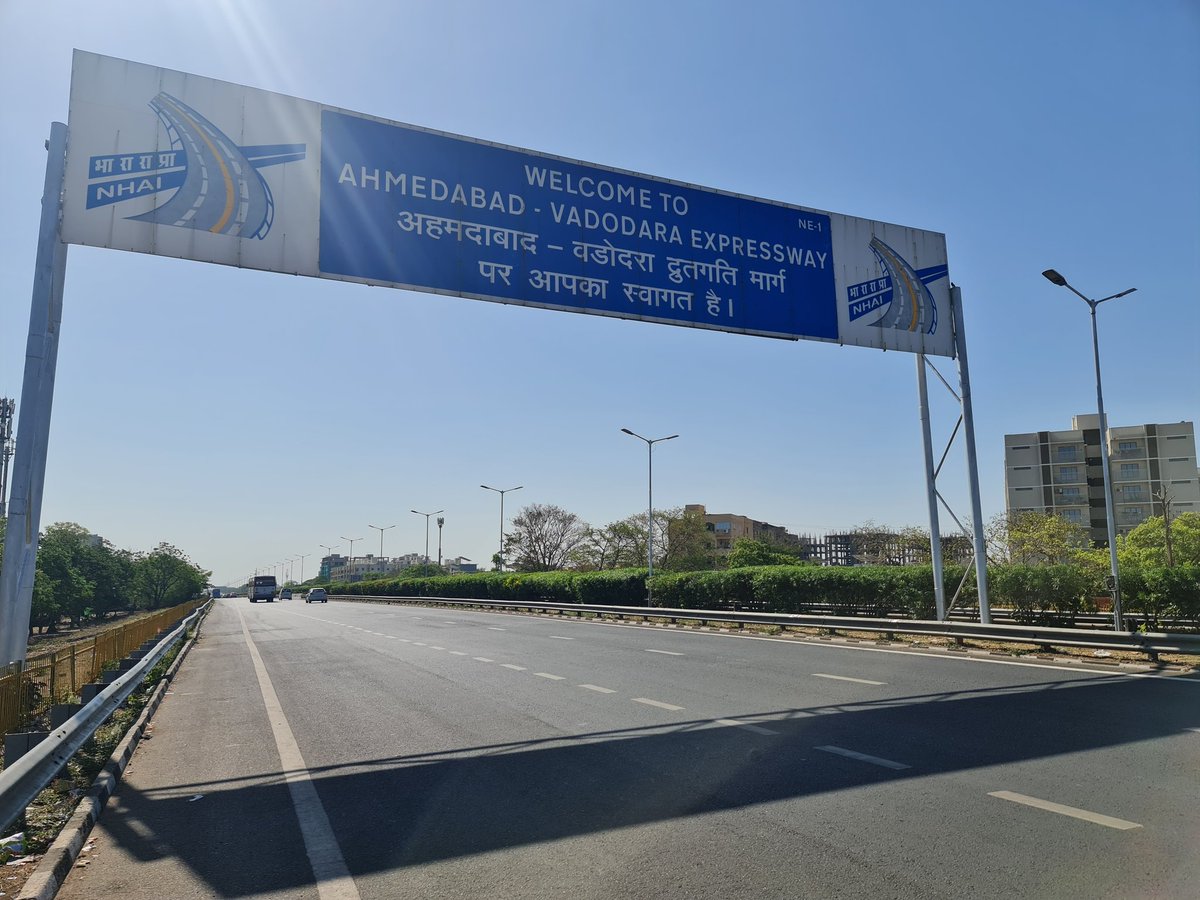
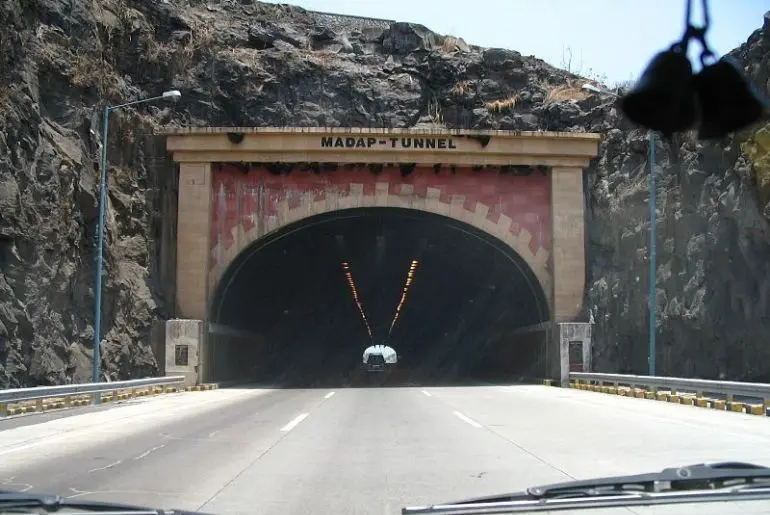
Roads: Varied enormously. The Vadodara-Ahmedabad expressway — India's first modern expressway — was lined with dense green and a genuine pleasure. The stretch through Morena and Chambal was a test of patience. The Mumbai-Vadodara highway under construction was a test of something stronger. Most national highways were fine; many state roads were a negotiation.
Solo driving: Long hours (the Panchgani to Vadodara run was one of the longest single days — 13 hours on the road), but never dull. The key is to stop when you want to, not when a schedule says you should.
The Trip, Town by Town
Each city and stop along this route has its own story, and its own article. The links below are not travel guides, exactly. They are closer to dispatches — things that happened, things worth knowing, things that will only make complete sense once you are out there doing it yourself and what the place felt like from the driver's seat at different times of the day.
- Bharatpur— Birds, a Farm & Bholu
- Shivpuri — Dams, Temples & a Thin-Walled Hotel
- Ujjain & Indore — Jyotirlingas, Street Food & a Rooftop
- Omkareshwar — Jyotirlinga on Magh Purnima
- Aurangabad — Ellora & the Weight of History
- Panchgani & Mahabaleshwar — TableTop, Strawberries & the Deccan Edge
- Goa — Shacks, Sunsets & a Laundry Day
- Gokarna & Murudeshwar — Dhoti at Dawn, Shiva by the Sea
- Bengaluru — The Pit Stop
- Mahabalipuram — Shore Temple & a Fisherman Colony
- Pondicherry — French Streets, Paan & a Hotel That Lied
- Rameswaram & Dhanushkodi — The Last Jyotirlinga & the Best Sunset
- Kanyakumari — Three Seas, One Sunrise & a Mangrove Forest
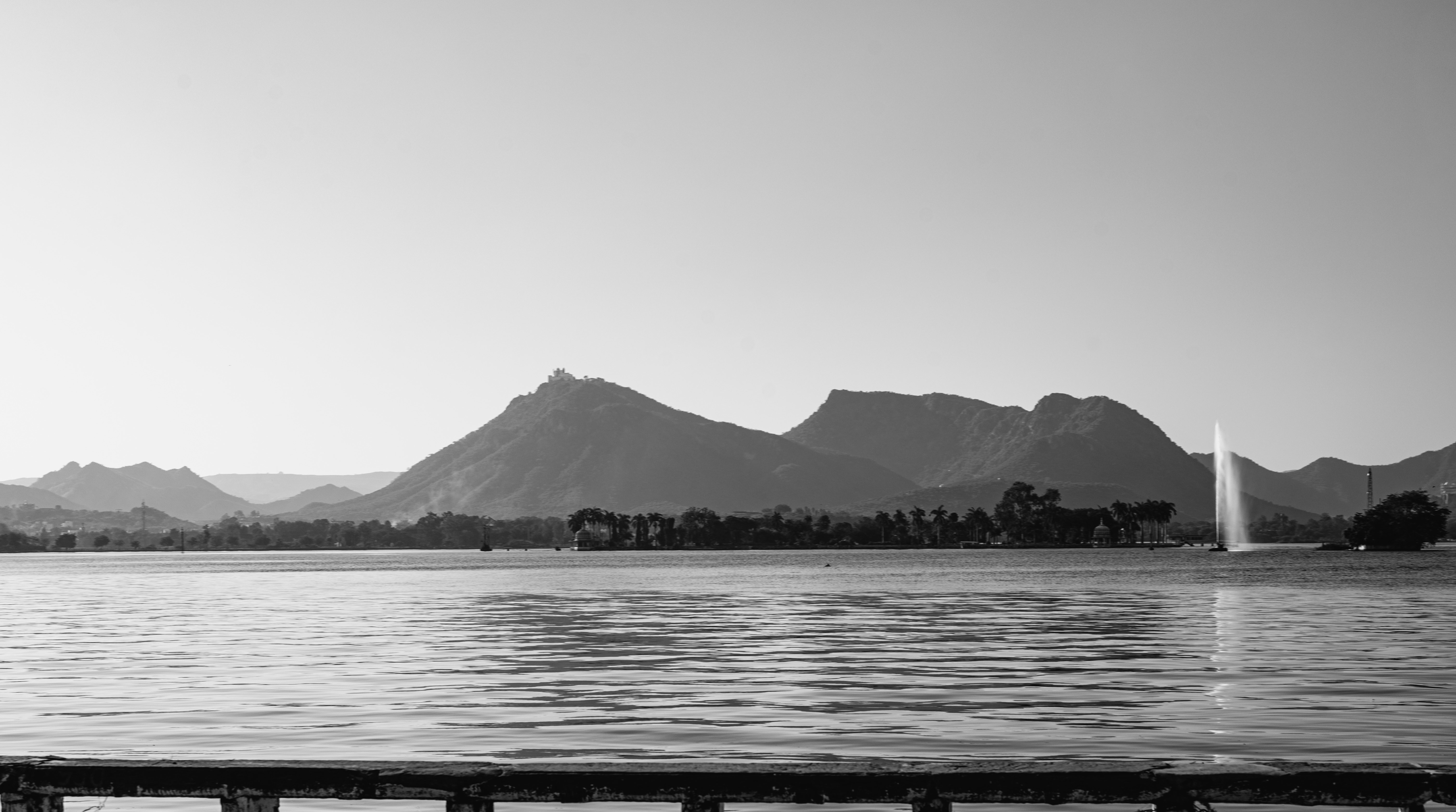
- Vadodara & Udaipur — The Long Road Home
What Stays With You
On the last day, somewhere on the Jaipur-Delhi Expressway, a flying squad pulled the car over. Election season. They went through the bags, one by one. Clothes. More clothes. Cameras.
"Hope you're not carrying ₹50,000 in cash," one officer said.
"It's the age of cards," came the reply, pointing to the Delhi plate. He laughed. The conversation that followed was easy and warm, the way conversations on Indian roads often are, strangers for two minutes, friendly for life.
He waved the car through. Delhi was a few hours away. Forty days of road behind.
India is a country that rewards people who stay long enough to let it show itself on its own terms. The temples weren't on the original itinerary. Neither was the bull-pressed sugarcane juice, or Bholu, or Mr. Ashok, or the young boy near Kanyakumari studying for his interview, or the locals who posed for photographs and then immediately asked to see them on the camera screen.
You plan a route. India arranges the trip. And the Renault Duster carries you through.